


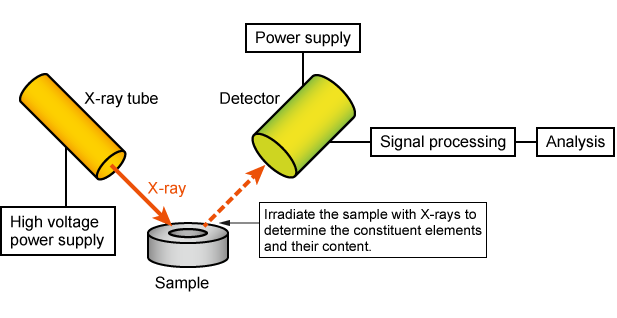
Analytical X-ray techniques, including X-ray Fluorescence (XRF), X-ray Diffraction (XRD), XAFS, XPS (ESCA), SAXS, and EPMA, are essential for material analysis. XRF, in particular, identifies constituent elements and quantifies their content by irradiating a sample with X-rays. These systems are generally categorized into Energy-Dispersive (EDX) and Wavelength-Dispersive (WDX) types. When a sample is irradiated, it emits characteristic fluorescent X-rays at unique energy levels (wavelengths) corresponding to the elements present.
In Wavelength-Dispersive X-ray analysis (WDX), the diffraction angle varies depending on the X-ray wavelength. Fluorescent X-rays emitted from the sample are directed to a analyzing crystal, which separates them by wavelength--similar to a prism dispersing visible light. A detector then measures the intensity at each specific wavelength. Conversely, Energy-Dispersive X-ray analysis (EDX) utilizes a semiconductor detector to capture fluorescent X-rays and process the signal to measure intensity at each energy level directly. Both methods rely on an X-ray tube, which requires precise power supplies: a filament power supply for thermionic emission and a high-voltage power supply to generate the acceleration voltage.
X-ray tubes utilize different configurations, typically anode-grounded or cathode-grounded designs. Cathode-grounded tubes are widely used in XRF, while anode-grounded tubes are common in XRD applications. Unlike X-ray systems used for Non-Destructive Testing (NDT), analytical X-ray instruments generally operate at lower acceleration voltages, typically up to 60 kV. However, they often require high X-ray intensity (brightness), necessitating high-power X-ray tubes (several kW) with water cooling to ensure thermal stability. Detectors integrated into these systems also require dedicated low-noise power supplies ranging from several hundred volts to several kilovolts.
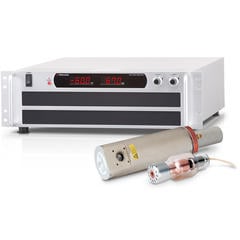
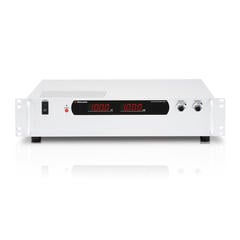
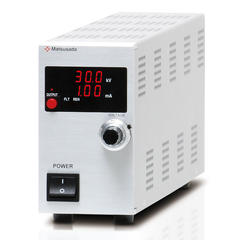
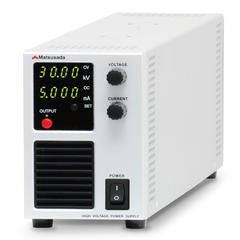
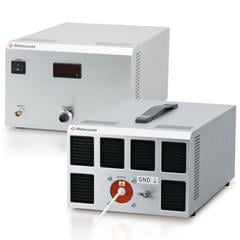
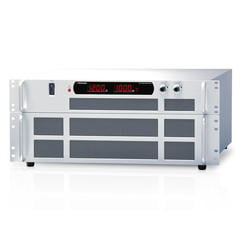
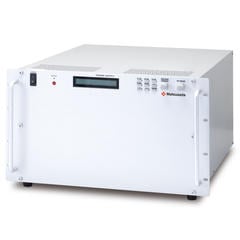
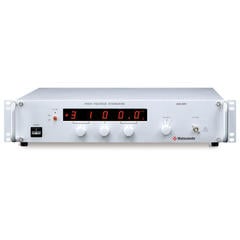
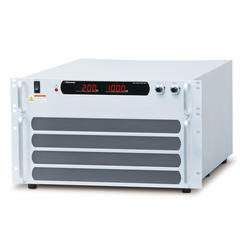
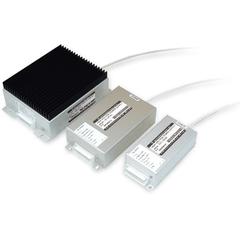
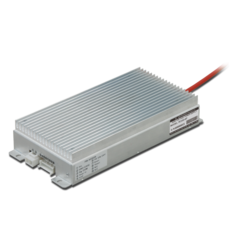
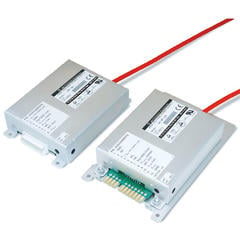
Matsusada Precision offers a comprehensive lineup of high-voltage power supplies optimized for X-ray tubes, X-ray generator units, and detectors to meet these demanding analytical requirements.
- Related Terms:
-
- X-ray fluorescence spectrometer (XRF)
- X-ray diffractometer (XRD)
- Energy dispersive X-ray analysis (EDX)
- Wavelength dispersive X-ray analysis (WDX)
- Filament power supply
- Acceleration voltage
- Anode grounding
- Cathode grounding
- Detector
Recommended products
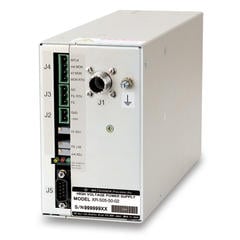
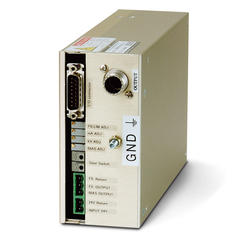
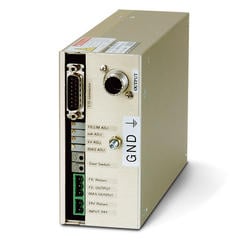
We supply all types of power supplies for X-ray tubes, X-ray generating units, and detectors.
Related Technical Articles
- What are X-rays? (Basic Knowledge)
- What is X-Ray Fluorescence? (Basic Knowledge)
- Safety and Usage of High Voltage Power Supply
- HVPS for Lab Analyzers: Key Considerations for Stability and Noise
- What is the difference between Radioactivity, Radiation, and Radioactive Materials?
- Understanding Radiation: Effects on the Body and X-ray Safety
- Types of X-ray Tubes and High-voltage Power Supplies
- High Voltage Measurement Method