


An electric vehicle (EV) is a vehicle powered by an electric motor that runs on stored electrical energy. Since they do not emit exhaust gas, they are rapidly gaining popularity in recent years as eco-friendly vehicles. EVs are typically equipped with a high-capacity lithium-ion battery pack and a high-power traction motor. The lithium-ion battery provides DC (Direct Current) power, which must be converted to three-phase AC (Alternating Current) by an inverter to drive the AC motor.
Wiring harnesses are also essential for the safe and reliable transmission of high-voltage power. Electric vehicles use regenerative braking to recover energy from the motor's back EMF during deceleration, which improves overall efficiency. Therefore, in the development of motors and inverters for electric vehicles, it is also necessary to conduct tests using regenerative DC power supplies.
The battery pack voltage in many current EVs typically ranges from 300 V to 400 V. Motor and battery capacities are expected to become high voltage and high power in the future in order to improve driving range.
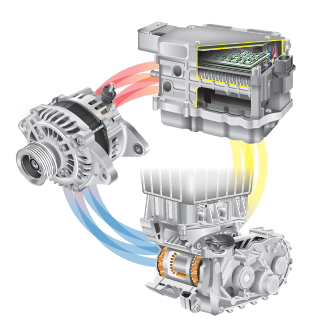
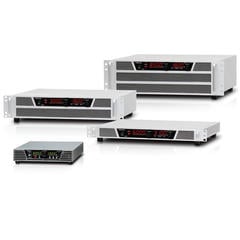
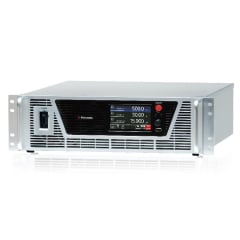
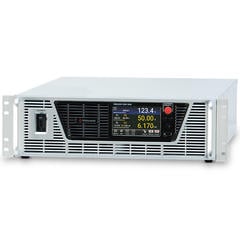
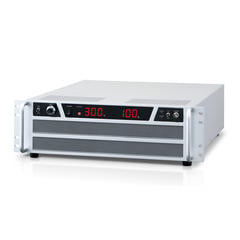
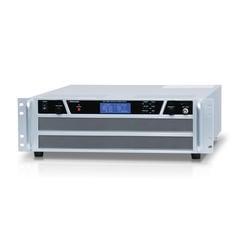
Matsusada Precision offers a range of stabilized DC power supplies and regenerative power supplies for testing various EV components like motors, inverters, and DC/DC converters. Our product lineup includes models capable of handling 800 V or more, positioning us to support the industry's move toward higher-voltage architectures.
Application Examples
- Development and evaluation of bidirectional inverters and converters
- Development and evaluation of magnetic materials for motors
- Development of current sensors and shunt resistors
- Development and evaluation of motors and peripheral equipment
- Evaluation of electromagnetic valves
- Development and evaluation of connectors
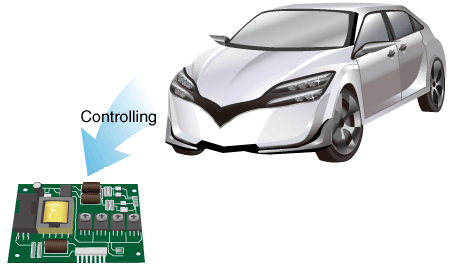
- Related Terms:
-
- Traction Motor
- Traction Inverter
- Lithium-ion Battery
- DC/DC Converter
- Harness
- On-Board Charger (OBC)
- Bidirectional EV charge
- Fuel Cell Vehicle (FCV)
- Vehicle to Grid (V2G)
- Vehicle to Home (V2H)
- Vehicle to Load (V2L)
- Battery Electric Vehicle (BEV)
Recommended products
Related Technical Articles
- Understanding Electric Vehicle Power Systems
- Bipolar Power Supplies: Basics and Automotive Testing Applications
- Electric Vehicle Motors: Battery and Supply Voltage
- Horsepower to kW: Understanding the Shift from Engines to Motors
- Battery Types and Characteristics (Basic Knowledge)
- Battery Types and Charge Control Characteristics
- Fuel Cell Basics and Benefits
- What is a power inverter?
- An Introduction to Hydrogen as a Next-Generation Energy