
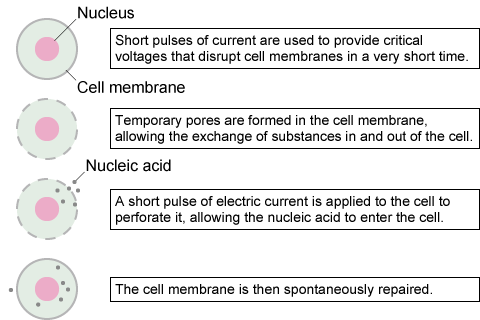
Electroporation is a technique used to introduce macromolecules, such as DNA and RNA, into cells by applying short electrical pulses.
When a specific voltage is applied for a very short duration, the electrical field temporarily permeabilizes the cell membrane. This process forms transient pores that allow substances to be exchanged between the interior and exterior of the cell. Unlike permanent damage, these pores spontaneously reseal, preserving cell viability.
Also known as electropermeabilization, this method enables highly efficient gene transfection. It is widely used in medical and biological research, particularly for introducing genes into blood cells and lymphocytes--applications that are often difficult to achieve with conventional methods. Modern equipment is designed for ease of use, ensuring highly reproducible experimental results without requiring specialized operator skills.
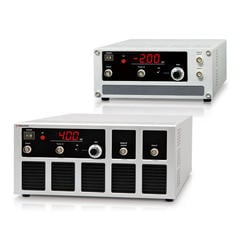
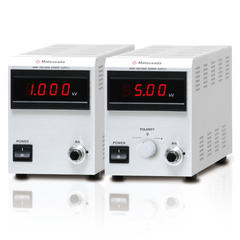
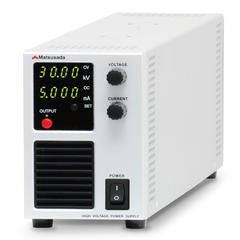
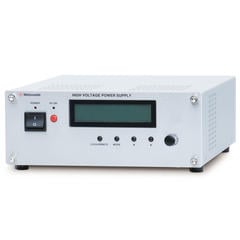
Matsusada Precision offers high-performance high-voltage power supplies and amplifiers designed to generate the precise pulses required for effective electroporation.
- Related words:
-
- Pulse
- Cell
- Perforation
- Cell Separation
- Flow cytometry
Recommended products
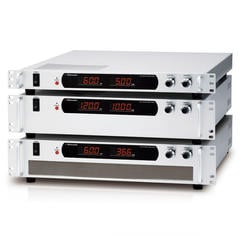
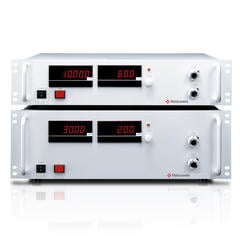
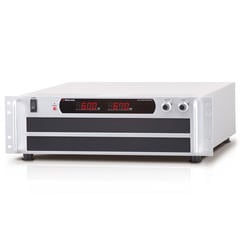
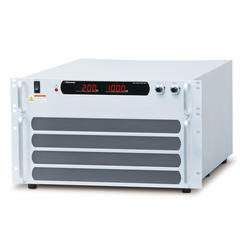
Matsusada Precision provides high voltage power supplies and amplifiers for pulsing target cells in electroporation.