
A DC-DC converter is a device that converts a source of direct current (DC) from one voltage level to another. These converters are essential for stabilizing power in electronic circuits, as components such as ICs on printed circuit boards (PCBs) require precise operating voltages to function correctly. Without proper voltage regulation, sensitive electronics may malfunction or fail.
In automotive applications, particularly in Electric Vehicles (EVs) and Hybrid Electric Vehicles (HEVs), DC-DC converters are critical for energy management. They step down high-voltage battery power to run low-voltage auxiliary systems or manage the flow of energy during regenerative braking. In regenerative systems, the electrical energy generated by the motor is controlled by the converter to recharge the battery efficiently. Evaluating these systems requires a bidirectional power supply capable of simulating both power delivery (motoring) and power absorption (regeneration).
When evaluating DC-DC converters, engineers must simulate real-world usage conditions. This includes varying the input voltage to test stability and changing the output load to verify current handling capabilities. For automotive converters that handle regenerative energy, testing equipment must support bidirectional current flow to accurately simulate the battery's charging and discharging cycles.

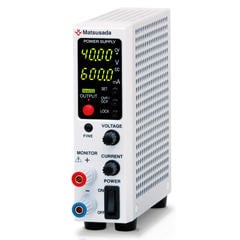
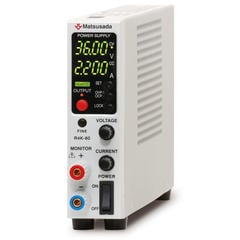
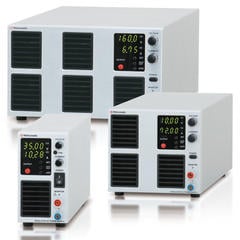
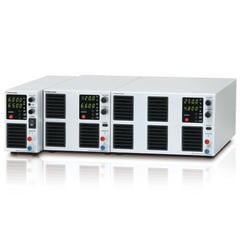
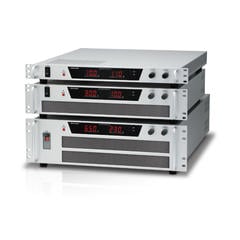
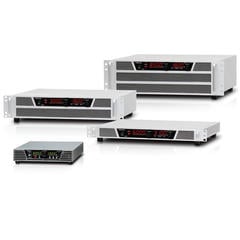
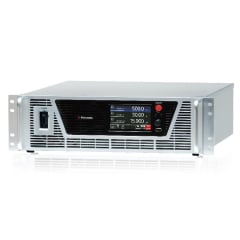
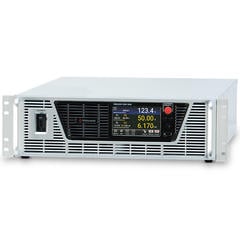
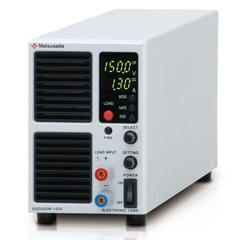
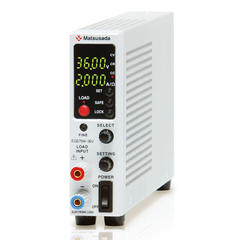
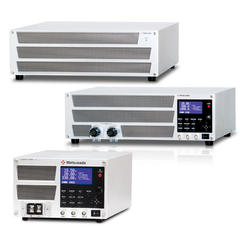
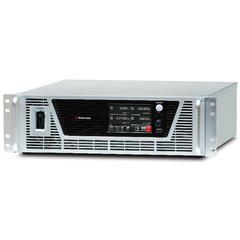
Matsusada Precision offers high-performance DC power supplies and electronic loads designed for the development and evaluation of DC-DC converters, including bidirectional models suitable for regenerative applications.
- Related Terms:
-
- DC-DC Converter
- Bidirectional Power Supply
- Voltage Conversion
- Regenerative Braking
- EV/HEV Testing
Recommended products
Matsusada Precision has DC power supplies and electronic loads evaluating DC/DC converters, as well as DC power supplies with regenerative functions.