


X-ray Detectors are critical components in analytical instruments and inspection systems. While "radiation detector" is a broad term encompassing gamma, alpha, beta, and neutron detection, X-ray detectors generally refer to devices specifically optimized for capturing X-ray photons for spectroscopic analysis or imaging.
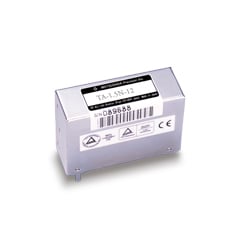
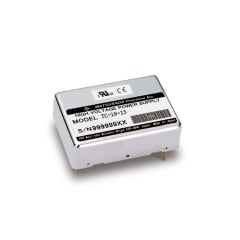
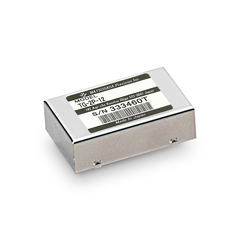
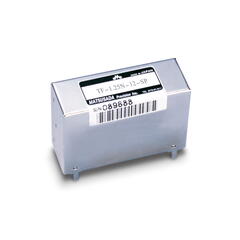
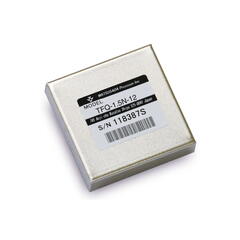
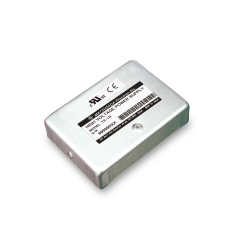
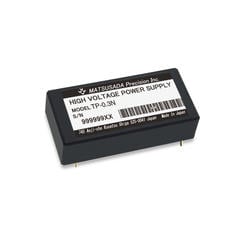
These detectors require highly stable, low-noise high-voltage bias supplies to ensure accurate measurement and high resolution.
Energy-Dispersive X-ray Spectroscopy (EDS/EDX)
Modern energy-dispersive systems primarily utilize Silicon Drift Detectors (SDDs) or PIN photodiodes. Historically, Lithium-drifted Silicon [Si(Li)] detectors--often referred to as solid-state detectors--were the standard. However, SDDs have largely replaced them due to superior energy resolution, higher count rates, and compact form factors. Unlike Si(Li) detectors, SDDs utilize Peltier (thermoelectric) cooling, eliminating the need for liquid nitrogen and allowing for maintenance-free operation.
- Representative manufacturers of X-ray detectors include:
-
- Amptek (https://www.amptek.com/)
- KETEK (https://www.ketek.net/)
- PN Detector (https://pndetector.de/)
- RAYSPEC (https://www.rayspec.co.uk/)
- MOXTEK (https://moxtek.com/)
Wavelength-Dispersive X-ray Spectroscopy (WDS)
Wavelength-dispersive analyzers typically employ proportional counters to detect X-rays that have been spectroscopically diffracted by a monochromator. These systems require precise high-voltage biasing to maintain stable gain and detection efficiency.
For broader radiation detection applications, such as gamma-ray monitoring, please refer to our Radiation Detection page.
- Related Terms:
-
- Digital X-Ray Detector Panel
- Radiation Detection
- Silicon Drift Detector (SDD)
- Solid State Detectors
- Digital X-Ray Detector Panel
- Flat Panel Detector (FPD)
Recommended products
Related Technical Articles
- What are X-rays? (Basic Knowledge)
- Safe Operation of X-ray Inspection Systems
- What is the difference between Radioactivity, Radiation, and Radioactive Materials?
- Understanding Radiation: Effects on the Body and X-ray Safety
- Safety and Usage of High Voltage Power Supply
- How to Handle Electric Shock and High Voltage
- High Voltage Measurement Method