
The Langmuir probe is a fundamental diagnostic tool used to measure critical plasma parameters, such as electron density, electron temperature, and plasma potential. These measurements are essential in applications ranging from industrial vacuum plasma treatment to tokamak fusion research.
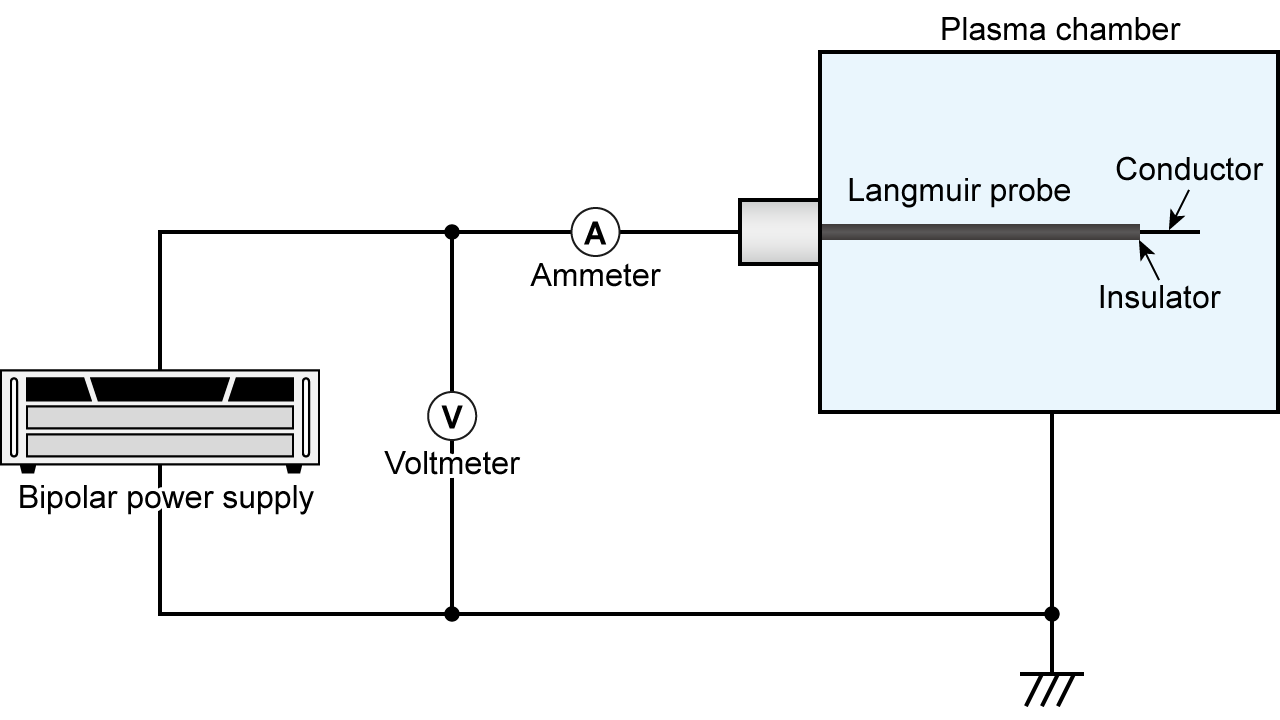
The method involves immersing a probe electrode into the plasma and applying a swept voltage--typically a triangular or sine wave--using a four-quadrant bipolar power supply. Because the probe must characterize both ion and electron saturation regions, the power supply must be capable of seamlessly sourcing and sinking current to generate a complete current-voltage (I-V) characteristic curve.
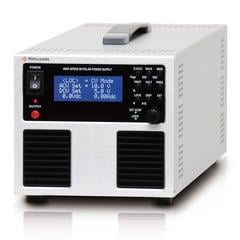
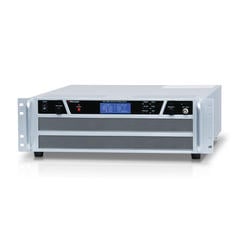
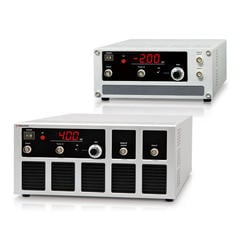
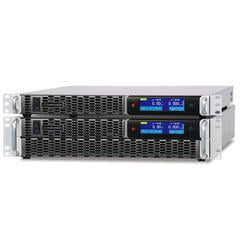
Power supply specifications depend heavily on the target plasma conditions. While standard setups often utilize voltage ranges around ±100 V with sweep frequencies near 100 Hz, advanced research often demands significantly higher capabilities. Matsusada Precision offers a wide lineup of high-speed bipolar power supplies and high-voltage amplifiers optimized for these diagnostics. For demanding high-voltage applications, our AMJ series can deliver outputs up to ±4000 V, supporting accurate EEDF analysis in vacuum vessels and fusion devices.
- Related Terms:
-
- Plasma
- Vacuum Plasma Treatment
- Nuclear fusion
- Fusion power generation
- Tokamak
- Plasma actuator
- Biconic cusp
- EEDF
- vacuum vessel