


A battery is an electrochemical device that stores electrical energy. Batteries are generally categorized into two types: primary batteries (non-rechargeable) and secondary batteries (rechargeable).
Rechargeable batteries include lead-acid, nickel-metal hydride, lithium-ion, and all-solid-state batteries. Most batteries store charge through electrochemical reactions. Since batteries store significant chemical energy, improper handling--such as overcharging, overdischarging, short-circuiting, or physical impact--can result in fire or explosion.
For more battery information, please refer to the following pages.

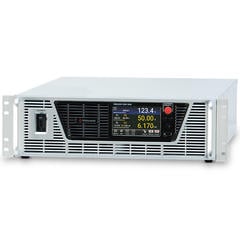
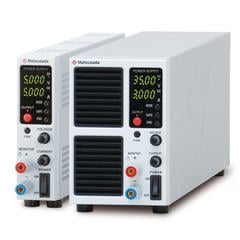
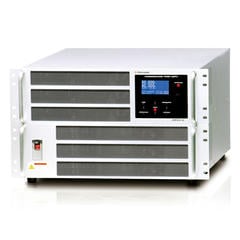
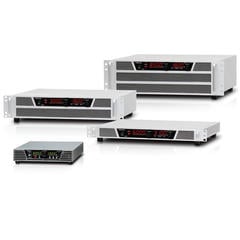
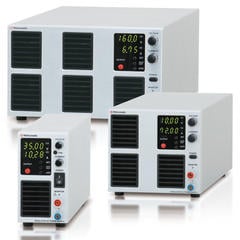
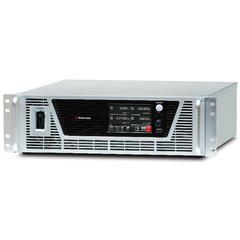
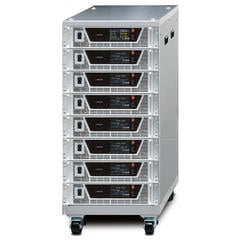
Matsusada Precision offers high-performance charge/discharge power supplies (battery cycle testers) designed for battery quality evaluation and endurance testing. We also provide precision DC power supplies and electronic loads optimized for battery manufacturing processes.
Battery Abbreviations:
- SOC: State of Charge, an indicator of the battery's remaining capacity. It is expressed as a percentage (%).
- SOH: State of Health, an indicator of battery degradation. It represents the ratio of the battery's current full-charge capacity to its initial rated capacity. A brand-new battery typically has an SOH of 100%.
- C-rate: A measure of the rate at which a battery is charged or discharged relative to its maximum capacity. A rate of 1C indicates the current required to fully charge or discharge the battery in one hour.
- LIB: Lithium-ion battery
- Ni-MH: Nickel-metal hydride battery
- BMS: Battery Management System, an electronic system that manages a rechargeable battery pack by monitoring its state, calculating secondary data, reporting that data, protecting the battery, and balancing it.
- BMU/BMC: Battery Management Unit/Controller. This is often the master controller within a BMS, responsible for overall battery pack management, communication with other systems, and implementing safety protocols.
- CMU/CMC: Cell Management Unit/Controller. This component directly monitors and manages individual battery cells, measuring parameters like voltage and temperature, and performing cell balancing.
- MMC: Module Management Controller. In larger battery systems, this controller manages a group of cells arranged in a module, often reporting to a higher-level BMU/BMC.
- Related Terms:
-
- Battery cycle tester
- Battery simulator
- Lead-acid battery
- Nickel-metal hydride battery (Ni-MH)
- Portable Battery Powered Devices
Recommended products
Related Technical Articles
- Battery Types and Characteristics (Basic Knowledge)
- Battery Types and Charge Control Characteristics
- Inside a Rechargeable Battery: Charge and Discharge Principles
- Electric Vehicle Motors: Battery and Supply Voltage
- Horsepower to kW: Understanding the Shift from Engines to Motors
- An Introduction to Electric Double-Layer Capacitors (EDLCs)
- Fuel Cell Basics and Benefits
- What is a power inverter?