
A photodiode is a semiconductor device used as a photodetector. The three primary types are P-N junction, PIN, and Avalanche photodiodes.
P-N junction photodiode
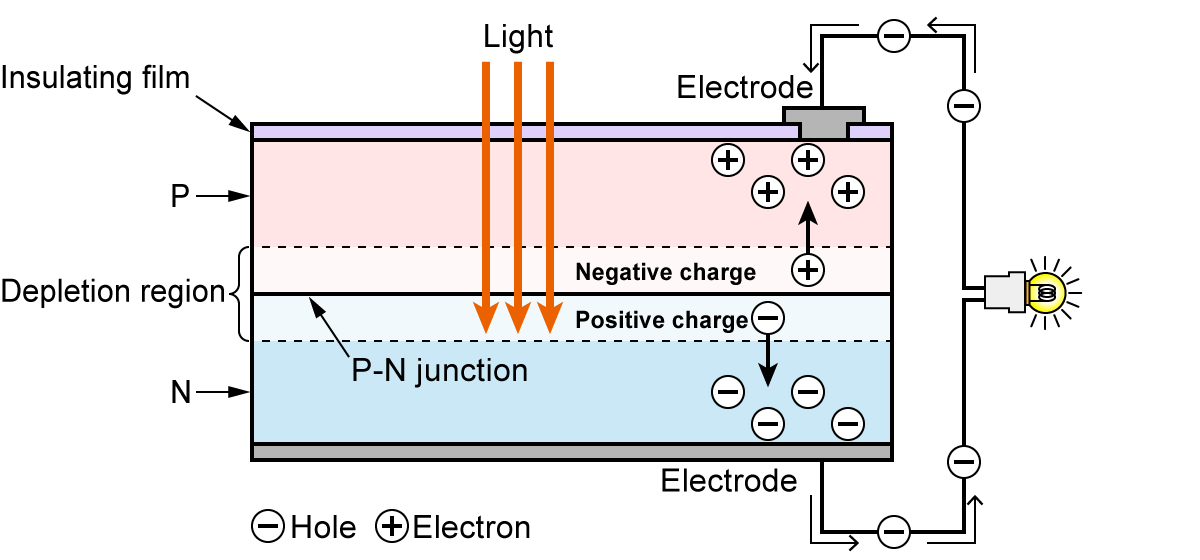
The P-N junction photodiode is the most fundamental type and shares a similar structure with solar cells. It operates on the photovoltaic effect, generating electric current and voltage when exposed to light. While its response speed is relatively slow, its low dark current makes it suitable for precise light-intensity measurements.
PIN photodiode
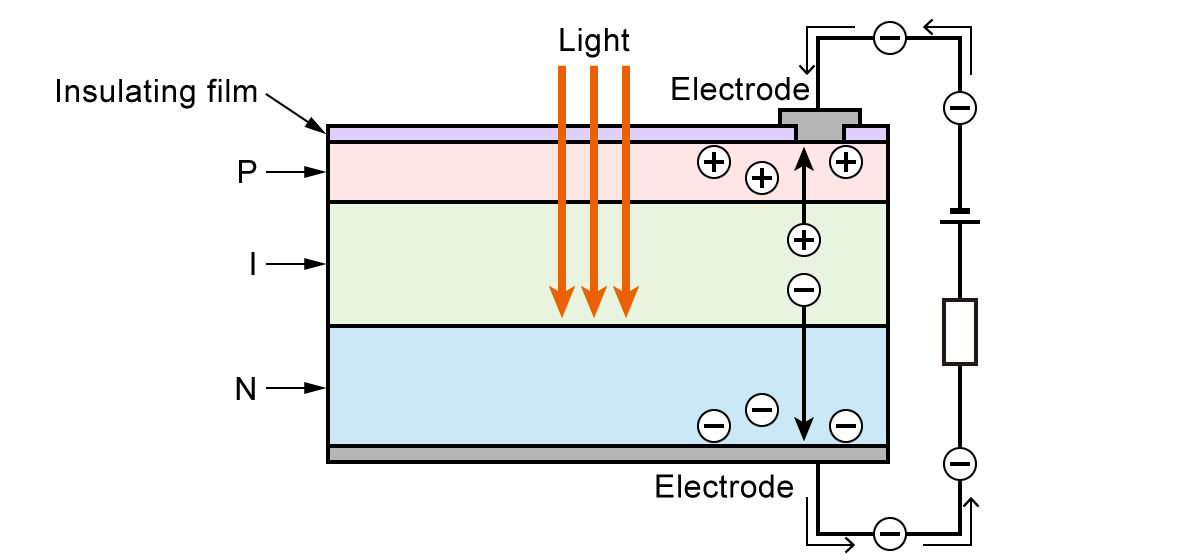
The PIN photodiode features a structure in which an intrinsic semiconductor (i-layer) is sandwiched between P-type and N-type semiconductors. A reverse bias voltage is applied across the i-layer. This design offers a fast response time and low dark current.
Avalanche photodiode (APD)
The Avalanche photodiode (APD) utilizes a specialized structure involving P+, i, P, and N+ layers. It is characterized by internal signal amplification achieved through the avalanche effect. This allows the APD to detect weak light signals with high sensitivity and high-speed response.

Phototransistors are structurally similar to photodiodes but integrate a transistor to internally amplify the resulting photocurrent.
Photodiodes are widely used in analyzers, measuring instruments, and optical communication systems.
- Related Terms:
-
- Photodiode
- P-N junction
- PIN
- Avalanche photodiodes (APD)
- Photo-detector
- Photo-sensor
- Dark current
- Response time
Recommended products
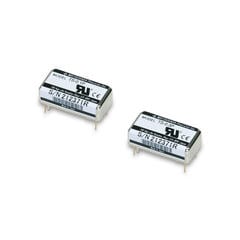
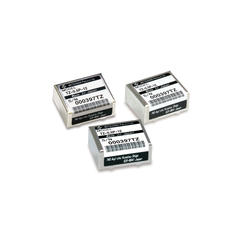
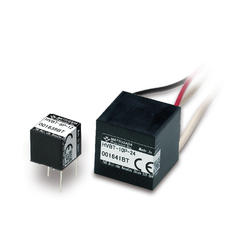
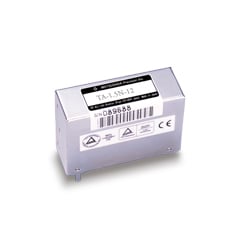
Matsusada Precision provides a great selection of modular high-voltage power supplies for Avalanche photodiode (APD), photodiode, and photo-detector applications.