


Published: Modified:
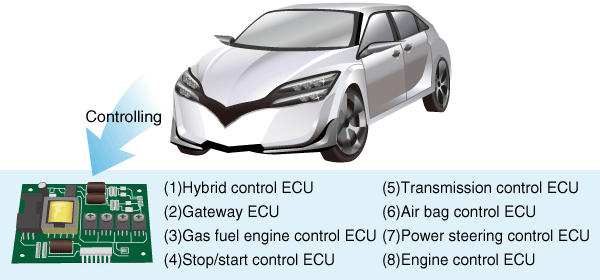
An Electronic Control Unit (ECU) is an embedded system designed to control electrical systems or subsystems in vehicles. While the acronym originally stood for "Engine Control Unit," its meaning has evolved due to the increasing number of electronic modules in modern automobiles. Today, ECU is commonly used as a general term for any electronic control unit, ranging from powertrain management to safety systems.
ECU Testing and Power Supplies
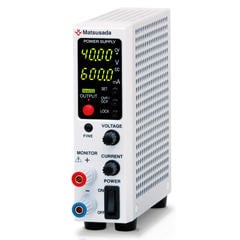
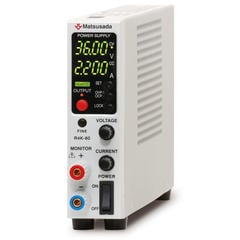
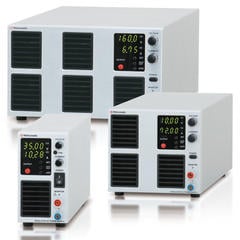
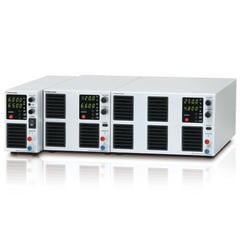
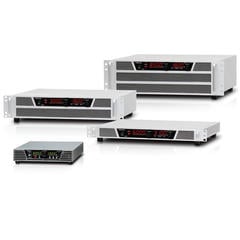
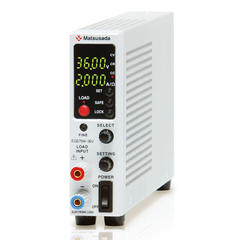
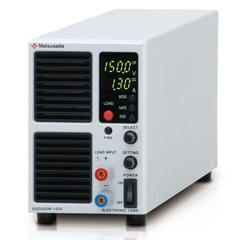
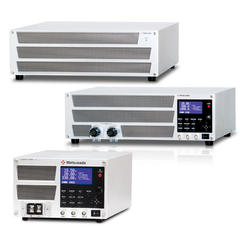
High-performance DC power supplies and electronic loads are essential for the development and quality assurance of ECUs. They are used to simulate vehicle battery behavior, verify performance under voltage fluctuations, and ensure reliability in demanding environments. Matsusada Precision offers a wide lineup of power supply solutions optimized for evaluating these critical automotive components.
Examples of Electronic Control Units
- Hybrid control ECU
- Gateway ECU
- Gas fuel engine control ECU
- Stop/start control ECU
- Transmission control ECU
- Airbag control ECU
- Power steering control ECU
- Engine control ECU
Recommended products
Related Technical Articles
- Electric Vehicle Motors: Battery and Supply Voltage
- Horsepower to kW: Understanding the Shift from Engines to Motors
- Battery Types and Characteristics (Basic Knowledge)
- Battery Types and Charge Control Characteristics
- Fuel Cell Basics and Benefits
- What is a power inverter?
- An Introduction to Hydrogen as a Next-Generation Energy