
A diesel fuel injection system delivers fuel into the combustion chamber of an engine at extremely high pressure. It atomizes the fuel into fine droplets and injects it with precisely controlled timing, optimizing combustion efficiency, reducing exhaust emissions, and ensuring reliable engine performance. Fuel supplied from the fuel tank is pressurized by a high-pressure pump and delivered through a common rail to the injectors installed in each cylinder.
Fuel injection systems can be broadly classified into mechanically controlled systems and electronically controlled systems. Mechanically controlled systems rely on a mechanical injection pump to determine the timing and quantity of fuel injection, whereas electronically controlled systems use an electronic control unit (ECU) to achieve more precise control.
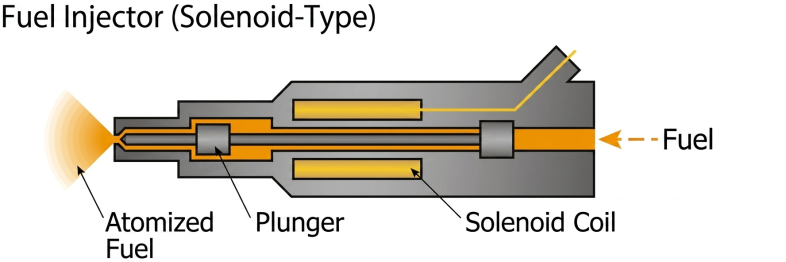
Electronically controlled systems typically employ either solenoid injectors or piezoelectric injectors. The amount of fuel injected is determined by several factors, including nozzle geometry, injection pressure, and injection duration. Furthermore, for a given nozzle size and injection duration, higher fuel pressure allows a larger amount of fuel to be delivered.
In piezoelectric injectors, a piezoelectric actuator expands or contracts in response to an applied voltage, precisely controlling the injector needle. Compared with conventional solenoid injectors, piezo injectors respond more quickly and provide more accurate control of injection timing and fuel quantity. This enables improved fuel atomization, lower emissions, higher fuel efficiency, and enhanced engine performance under a wide range of operating conditions.
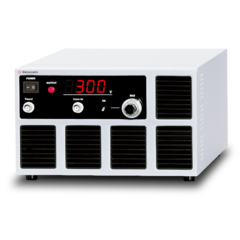
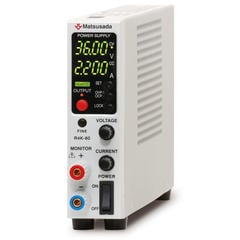
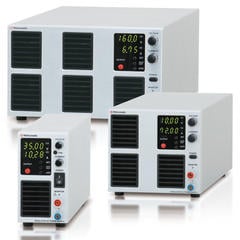
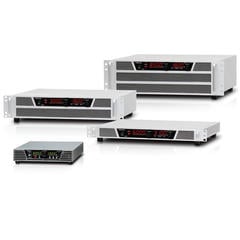
During injector development and production, high-voltage power supplies are used to drive piezoelectric actuators in injectors, while programmable DC power supplies are widely used for ECU simulation, durability testing, and injector performance evaluation.